
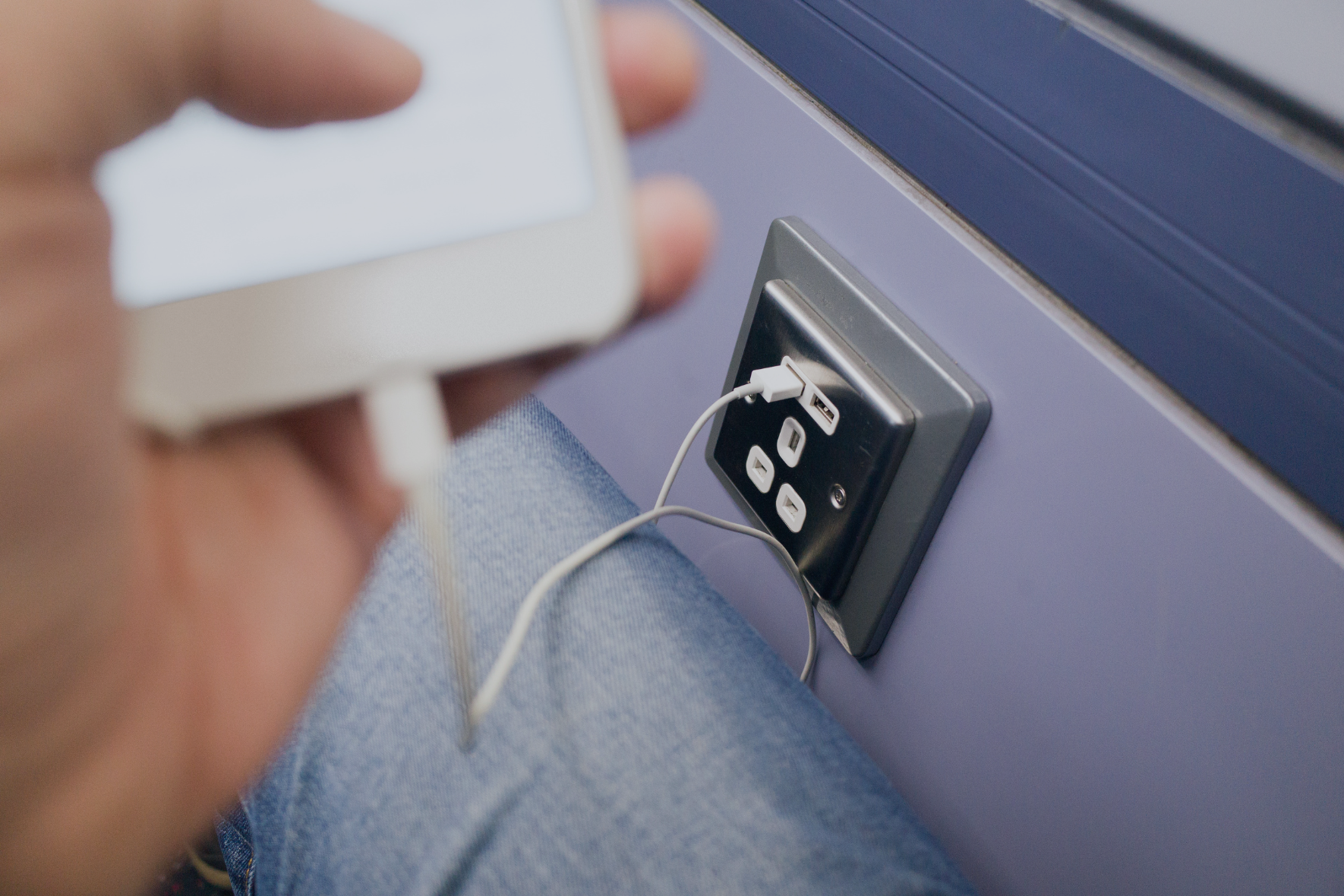
Think Twice Before You Plug In
The Hidden Dangers of Public Charging Stations
You’re at the airport, running low on battery, and spot a public charging station. Plugging in seems harmless—after all, your phone just needs a little juice before your next flight. But what if that convenient charging port is actually a gateway for hackers to infiltrate your device?
Public charging stations, especially those equipped with USB ports, can be a breeding ground for cyber threats. Hackers have developed sophisticated techniques to exploit these ports, gaining access to your personal data without you even realizing it.
Juice Jacking: The Cyber Threat You Can’t See
Not all charging stations are as innocent as they appear. Juice jacking is a growing cybercrime where hackers manipulate public USB ports to:
- Install malware on your device, allowing them to track your keystrokes, steal login credentials, and even access your financial information.
- Extract sensitive data like emails, passwords, and private messages while your phone is plugged in.
Once compromised, your device becomes an open book for cybercriminals, exposing everything from personal photos to banking details. The worst part? You won’t notice anything suspicious until it’s too late.
Real-World Cases of Juice Jacking
Security experts and government agencies, including the FBI and FCC, have issued warnings about juice jacking incidents at airports, hotels, and shopping malls. Cybercriminals can set up fake charging stations, disguising them as legitimate power sources while secretly harvesting data from unsuspecting users.
One alarming case involved travelers plugging into a public charging kiosk at a busy airport, only to later discover unauthorized transactions on their bank accounts. Their devices had been compromised through malware-laced USB ports, giving hackers remote access.
The Risks of Unknown Power Sources
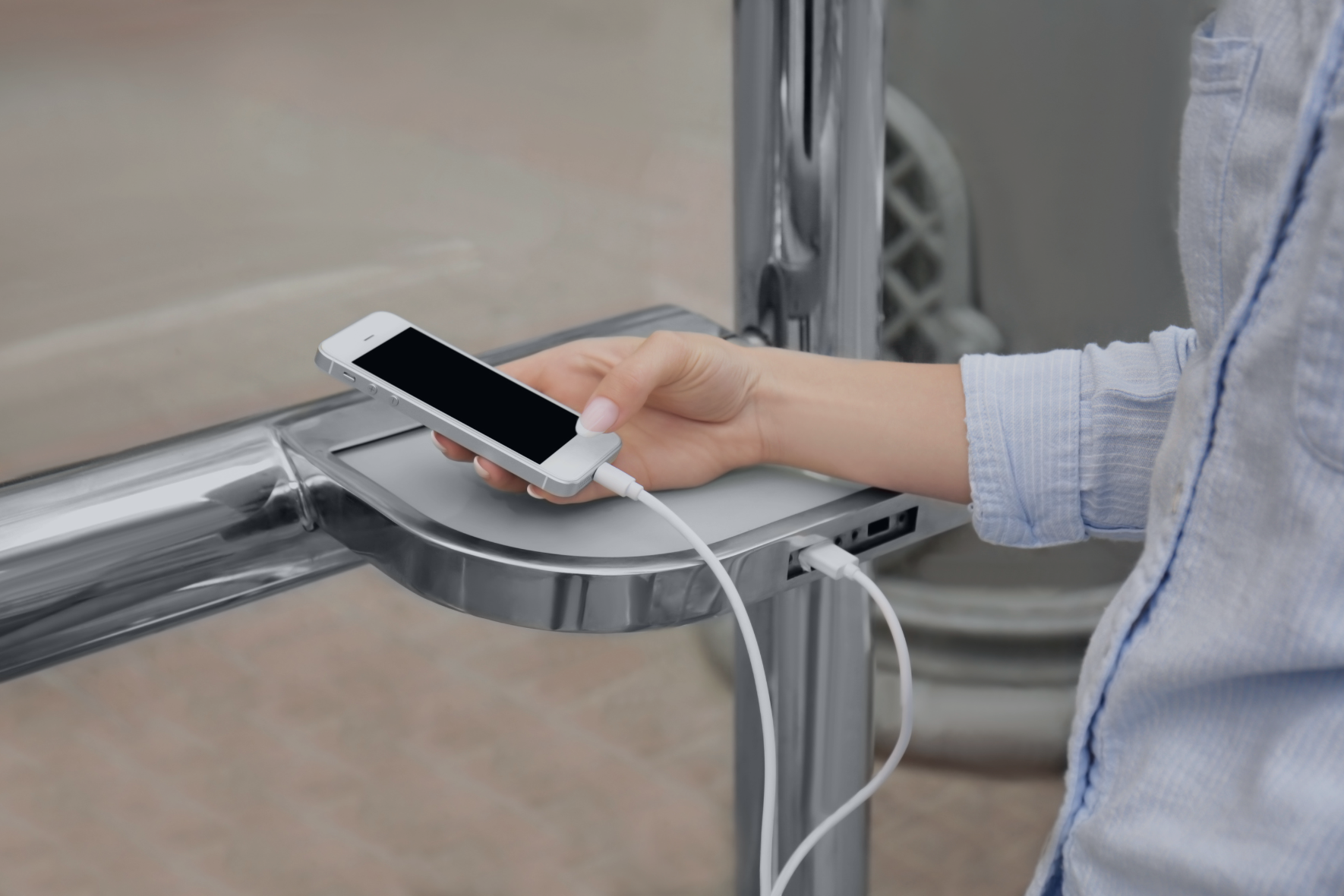
Beyond juice jacking, public charging stations come with other risks. When you connect your phone to an unfamiliar USB port, you relinquish control over what happens next. Unlike traditional electrical outlets, USB ports can facilitate both power and data transfer—meaning your phone could be communicating with an unknown device without your permission.
Why Your Data is at Risk
Even if a public charging station isn’t compromised, third-party accessories can still pose a threat. Some charging stations use cables and adapters that could be programmed to:
- Send unauthorized requests to your phone or tablet.
- Install malicious apps disguised as system updates.
- Create a backdoor for hackers to monitor your online activity.
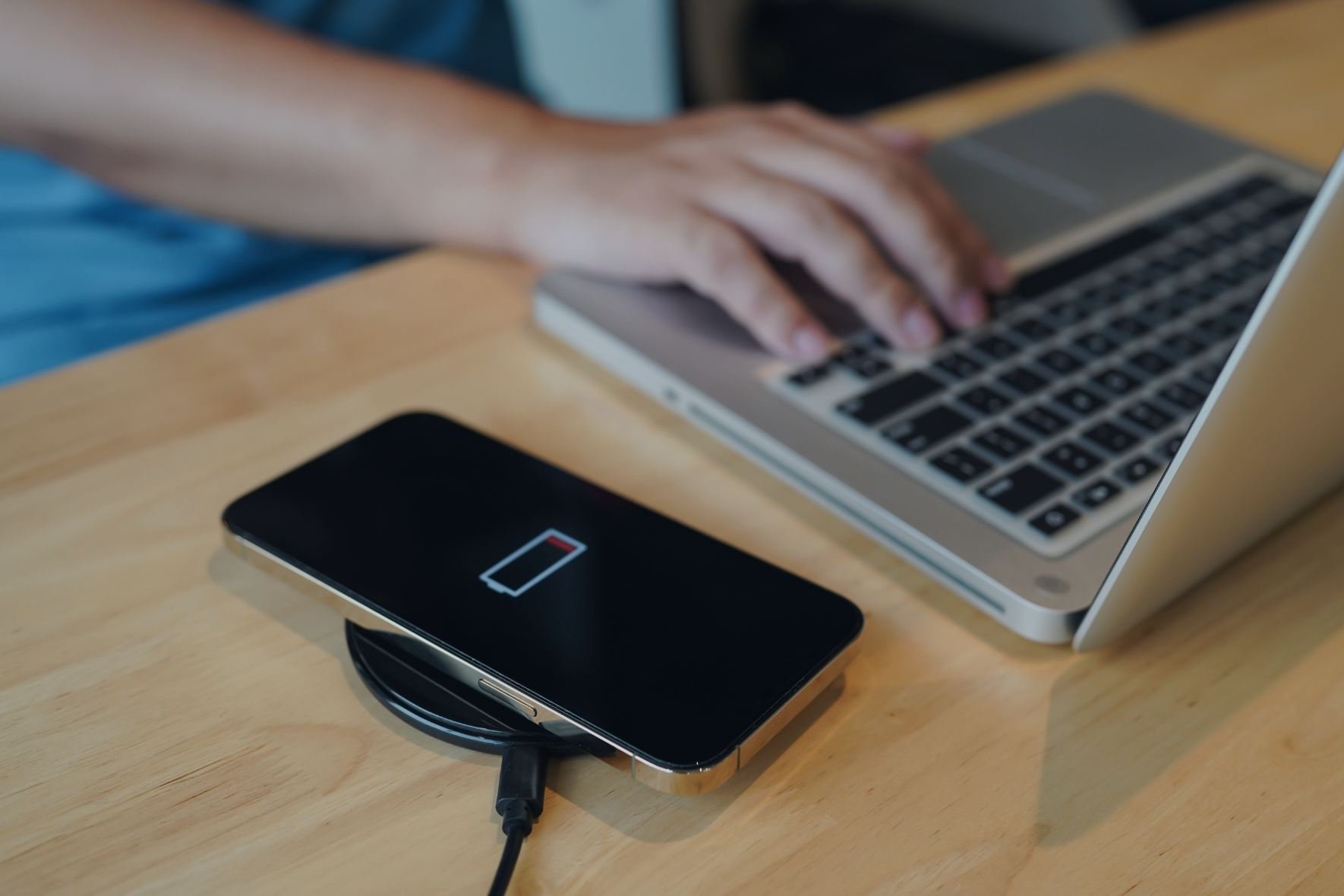
What About Wireless Charging?
Here’s How
Safe Charging Solutions for Travelers
Use a Power Bank: Your Best Defense Against Juice Jacking
Opt for a Data-Blocking USB Adapter
Rely on Your Own Charger and Cable

Leave a comment